

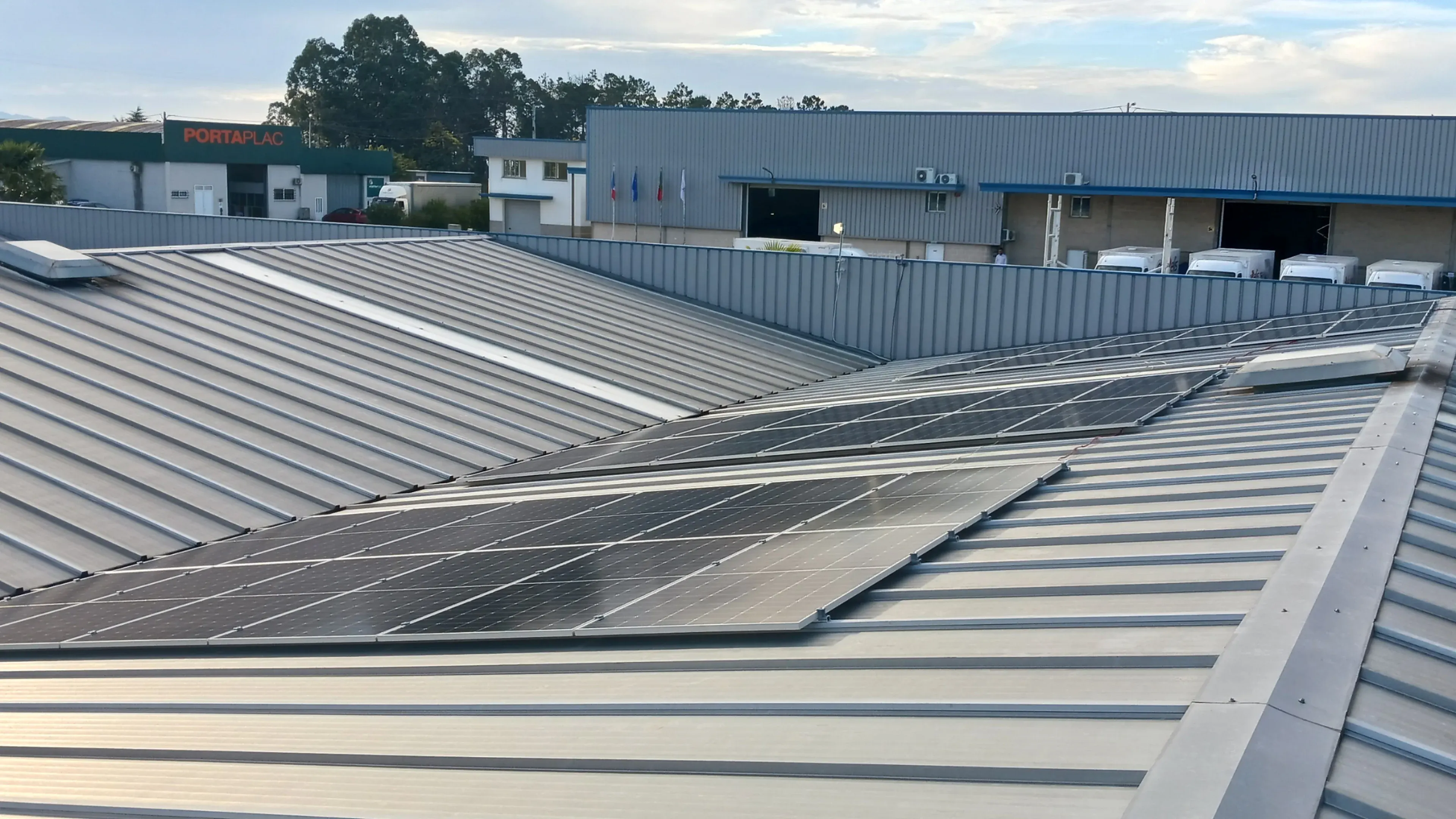
Solar and BYD batteries in freeze-drying: the Liofood project
25.92 kWp of solar and 12.80 kWh of BYD storage at a freeze-drying facility. 44% of demand met by on-site generation and an estimated 55% cut in electricity costs.
In the food industry, controlling costs and reducing grid dependence is a matter of competitiveness. At Liofood, the commitment to own energy generation had a clear goal: to make operations more efficient, predictable and sustainable - and to store the surplus for when it is most needed.
In an industry where energy matters as much as raw material.
Specialised in the production and commercialisation of freeze-dried foods, Liofood was looking for a solution able to reduce energy costs and increase the facility's autonomy without compromising production capacity. The goal was to use locally generated solar energy and store the surplus to maximise self-consumption.
The challenge
Reduce exposure to rising electricity costs and increase the unit's energy independence through a solution combining solar generation and storage.
- 44%of energy needs covered
- 55%estimated reduction in energy costs
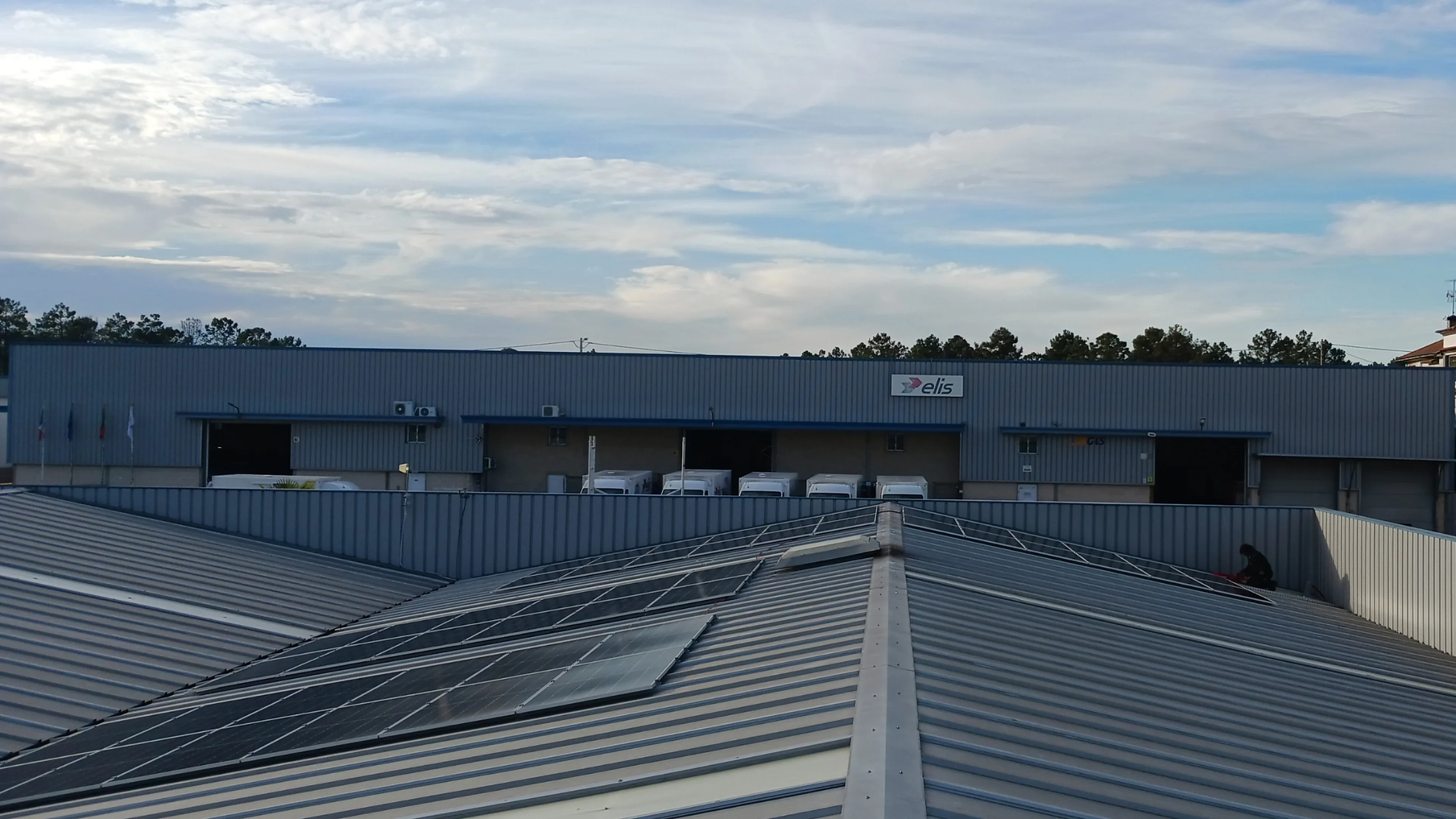
Energy where production happens.
Design and installation
Enbiente sized a solution tailored to the unit's consumption profile, integrating photovoltaic generation and storage to maximise use of the energy produced.
- Photovoltaic system comprising 48 solar panels
- Installed power of 25.92 kWp
- BYD storage system with 12.80 kWh of capacity
- Intelligent energy management to optimise self-consumption
- Solution designed to increase efficiency and reduce grid dependence
The result
The system covers around 44% of the facility's energy needs and reduces monthly electricity costs by up to 55%. Over its lifetime, it is expected to generate more than 590 MWh of clean energy and avoid approximately 362 tonnes of CO₂ emissions. Liofood now produces part of the energy it consumes and has taken another step towards making sustainability an integral part of its production process.