

Portugal without coal: a historic milestone towards carbon neutrality
Published on 22 November 2021 by Catarina Costa
- Energy Transition
- Business & ESG
20 November 2021 marked a decisive moment in Portugal’s energy history.
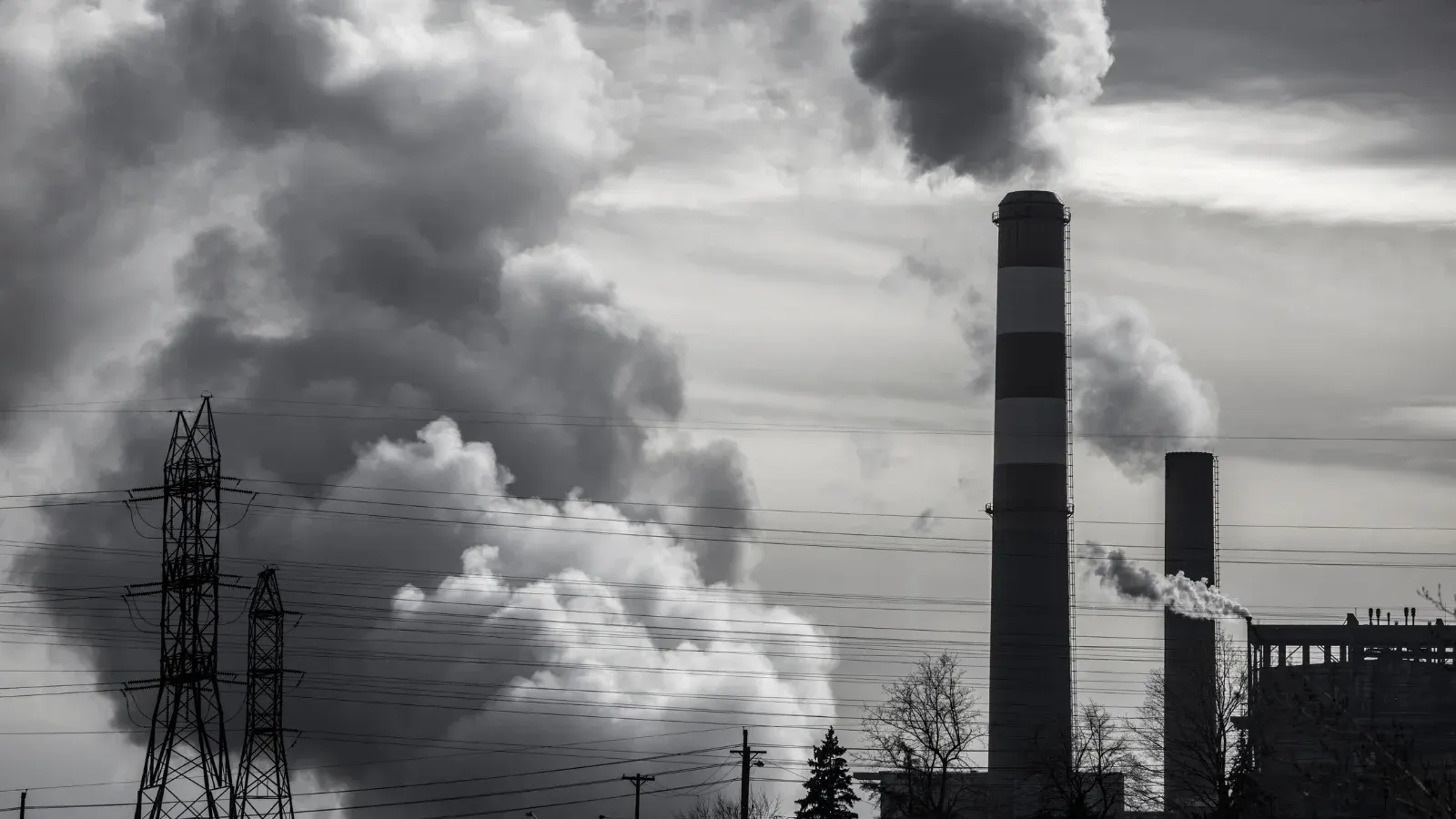
With the closure of the Pego coal-fired power plant in Abrantes, Portugal officially stopped producing electricity from coal, the most polluting fossil fuel.
The end of an era: goodbye to Pego
After almost three decades of operation, the Pego plant exhausted its coal stock and permanently ended power production through coal combustion.
The plant, operating since 1993, had been one of the country’s main sources of thermal electricity for years.
Portugal accelerates the energy transition
The phase-out of coal was planned for 2030, but Portugal brought the target forward by almost a decade.
With this closure, Portugal became one of the first countries in the world to stop using coal for electricity production.
From Sines to Pego
The Sines coal-fired power plant closed in January 2021.
Together, the two plants were responsible for around 4% of Portugal’s carbon dioxide emissions over the previous decade.
Their closure represents a significant reduction in national emissions, consolidating the country’s commitment to the Paris Agreement and the National Energy and Climate Plan.
The challenge of a just transition
The end of activity at Pego raises a new question: which energy sources will replace coal?
The station’s future should involve cleaner and more innovative renewable energy solutions, taking advantage of existing grid-connection infrastructure.
Green hydrogen and new technologies
Industrial and energy projects are planned for the site, including:
- Green hydrogen production through electrolysers;
- Renewable energy and renewable gas facilities;
- Manufacturing of small electric vehicles and associated technological equipment.
These investments represent the conversion of an obsolete industrial hub into a centre for energy innovation.