

APA-DGEG joint order: new rules for licensing solar plants
Published on 22 March 2022 by Catarina Costa
- Incentives & Policy
- Solar PV
The Portuguese Environment Agency (APA) and the Directorate-General for Energy and Geology (DGEG) published a joint order on 15 March 2022 clarifying how the legal framework for Environmental Impact Assessment (EIA) applies to small solar production units.
The goal is to simplify and speed up the licensing of medium-sized photovoltaic projects, provided they are not located in environmentally sensitive areas.
What changes with this order
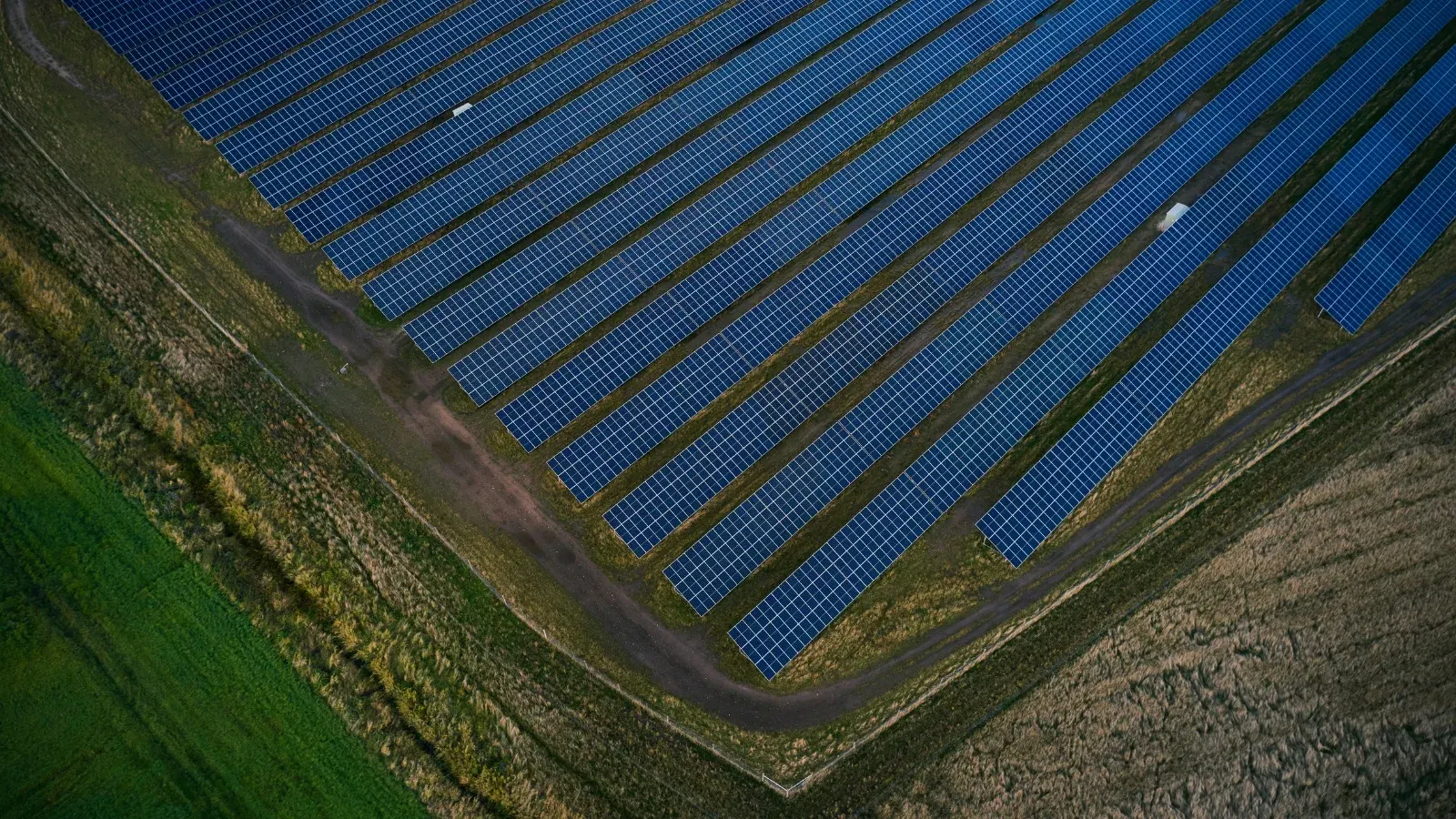
The new framework exempts aggregated small-production solar projects from prior EIA assessment when their total installed capacity does not exceed 12 MW.
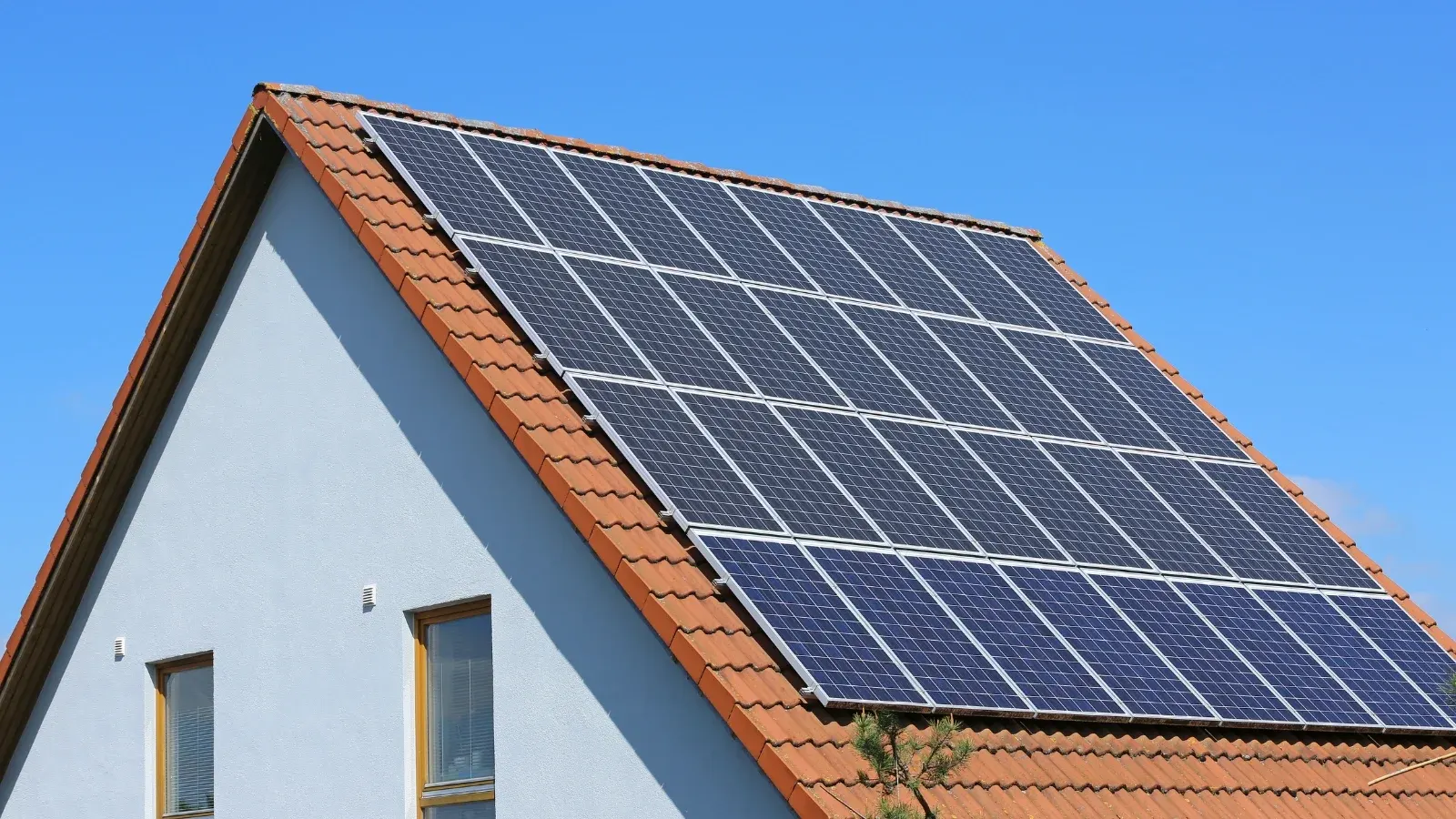
In practice, this means many small and medium-scale photovoltaic projects can be licensed in a simpler, faster and more predictable way.
Conditions for exemption from Environmental Impact Assessment
To benefit from this simplification, solar projects must meet all of the following conditions:
- They must not be located in environmentally sensitive areas;
- They must not exceed 12 MW of total installed capacity;
- They must be more than 2 km from other plants with capacity above 1 MW;
- Their grid connection must be less than 10 km long and operate below 30 kV.
If these conditions are met, the project promoter is exempt from submitting a prior assessment request to the EIA authority.
What about larger solar plants?
Large-scale photovoltaic plants remain subject to the general EIA framework under Decree-Law no. 151-B/2013.
- In sensitive areas, EIA submission is mandatory for projects above 20 MW;
- Outside sensitive areas, it applies to plants above 50 MW.
This balance between environmental protection and investment incentives aims to accelerate the energy transition without compromising ecosystem conservation.
Impact on the Portuguese solar sector
The APA-DGEG joint order represents an important step for renewable energy in Portugal, enabling:
- Greater predictability and speed in licensing processes;
- Lower administrative costs for promoters and investors;
- Encouragement for decentralised solar production units;
- Promotion of clean energy production and national decarbonisation.