
The importance of building energy certification
Published on 7 January 2022 by Catarina Costa
- Energy Efficiency
- Incentives & Policy
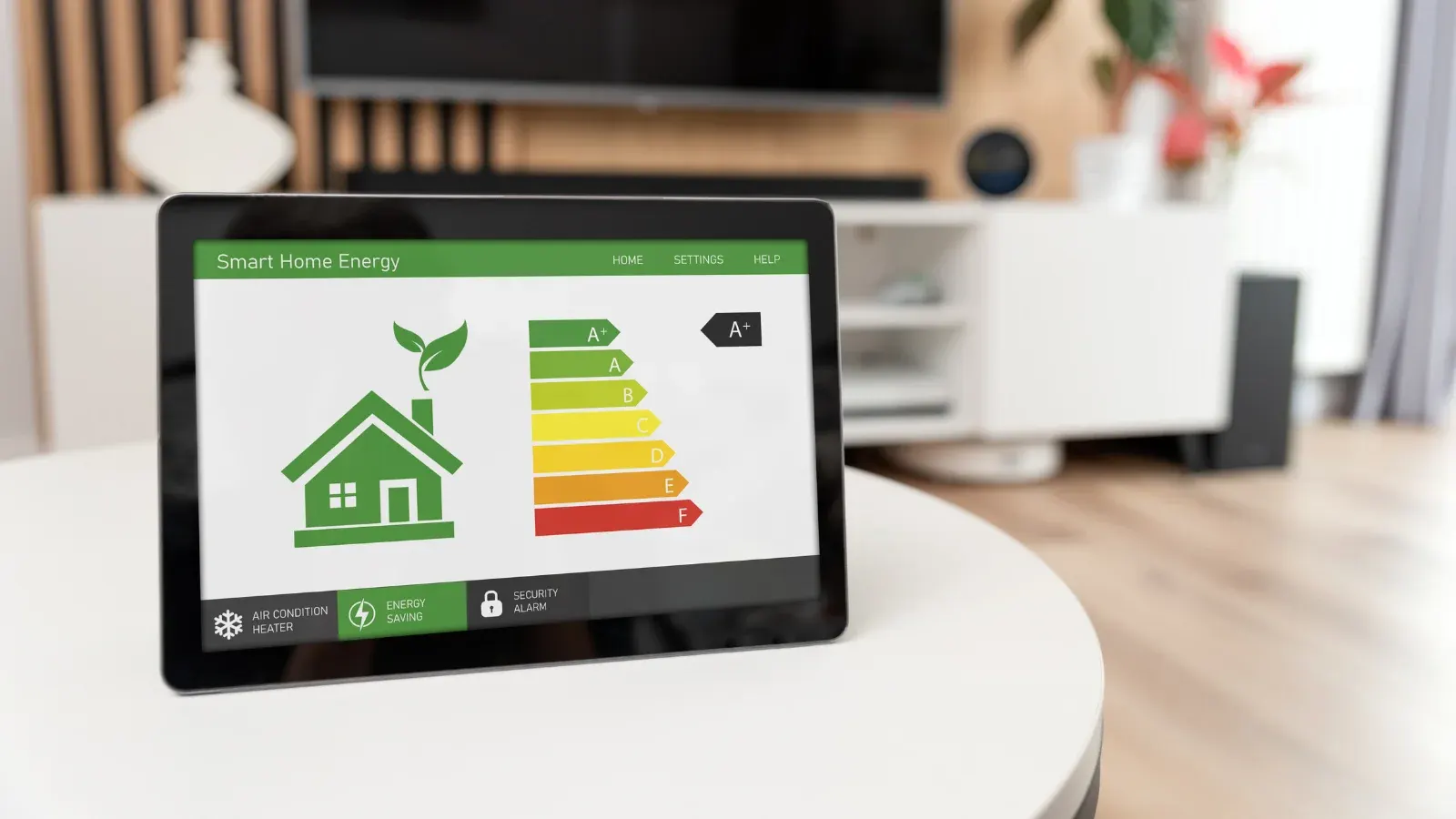
Building Energy Certification is the document that assesses and rates the energy performance of a property, assigning a class between A+ and G.
In addition to the rating, the certificate includes concrete recommendations to improve energy efficiency and reduce consumption costs.
When is energy certification mandatory?
Since Decree-Law no. 118/2013 came into force, energy certification has been mandatory for:
- New buildings;
- Public buildings with an area equal to or greater than 250 m²;
- All properties being sold or rented.
This means any property placed on the market must present a valid Energy Certificate issued by qualified ADENE technicians.
How energy certification works
At Enbiente, we ensure a fast, rigorous and simple process:
- Scheduling the technical visit;
- Visiting the property and collecting data;
- Technical analysis and calculation of the energy class;
- Issuing the Energy Certificate.
What determines the energy class?
The energy class results from a combination of factors, including:
- Location and year of construction;
- Typology and useful area;
- Materials and insulation of walls, roofs and floors;
- Quality of glazing and frames;
- HVAC systems;
- Domestic hot-water production equipment.
The more efficient these elements are, the higher the rating and the lower the energy consumption.
Advantages of an updated energy certificate
- Legal compliance when selling or renting;
- Increased market value and property attractiveness;
- Access to financing programmes and incentives;
- Identification of improvement opportunities;
- Contribution to environmental sustainability.
How to request your energy certificate
Enbiente has qualified technicians to carry out your property’s energy certification, ensuring speed, transparency and legal compliance.