
UPAC vs UPP: find the ideal model for your solar system
Published on 4 January 2022 by Catarina Costa
- Solar PV
- Self-consumption
- Incentives & Policy
Are you thinking about installing solar panels and unsure whether to choose self-consumption or full sale to the grid?
Decree-Law no. 153/2014 defined two distinct regimes for producing electricity from renewable sources: the Self-Consumption Production Unit (UPAC) and the Small Production Unit (UPP).
Self-Consumption Production Unit
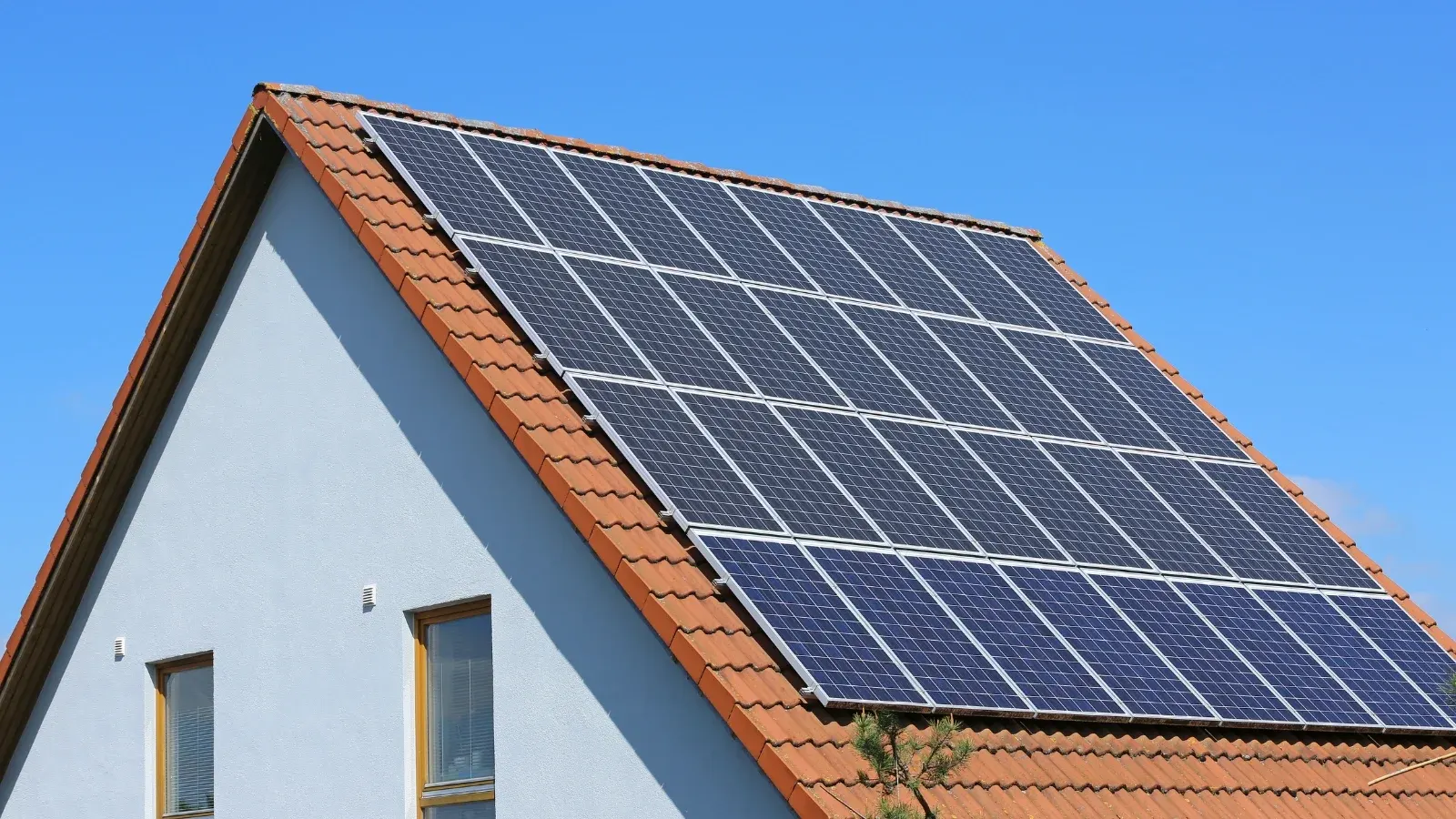
With a UPAC, you can produce and consume your own electricity, significantly reducing your electricity bill and contributing to a more sustainable future.
This regime is available to households, condominiums and companies, subject to prior registration with DGEG.
Main characteristics of a UPAC
- The energy produced is primarily consumed at the production site;
- Surplus energy is injected into the electricity grid;
- Depending on installed capacity, the process may require a licence, prior communication or exemption from prior control.
The main advantage is maximum autonomy and reduced energy costs.
Small Production Unit
A Small Production Unit is intended for producing energy exclusively for sale to the public grid from renewable sources.
This regime is suitable for households, companies or condominiums wishing to invest in energy production and sale.
Main characteristics of a UPP
- 100% of the energy produced is sold to the grid at auction price;
- The consumption installation is independent from the UPP;
- The UPP connection capacity must be lower than the contracted capacity;
- Operation depends on a certificate issued by DGEG.
The main advantage is the possibility of generating recurring revenue through the sale of green energy.
UPAC or UPP: which should you choose?
The choice depends on the investment objective:
- If you want to reduce costs and consume clean energy, choose a UPAC;
- If you want to monetise the investment by selling electricity to the grid, a UPP is the better solution.
How Enbiente can help
Enbiente supports every stage: study, sizing, licensing and installation, with solutions tailored to your energy profile.