
Blackout in La Palma: the energy déjà vu no one wants to experience
Published on 11 June 2025 by Catarina Costa
- Storage & Backup
- Energy Transition
In this post
When the lights go out, the warning lights come on
La Palma, Canary Islands, 10 June 2025.
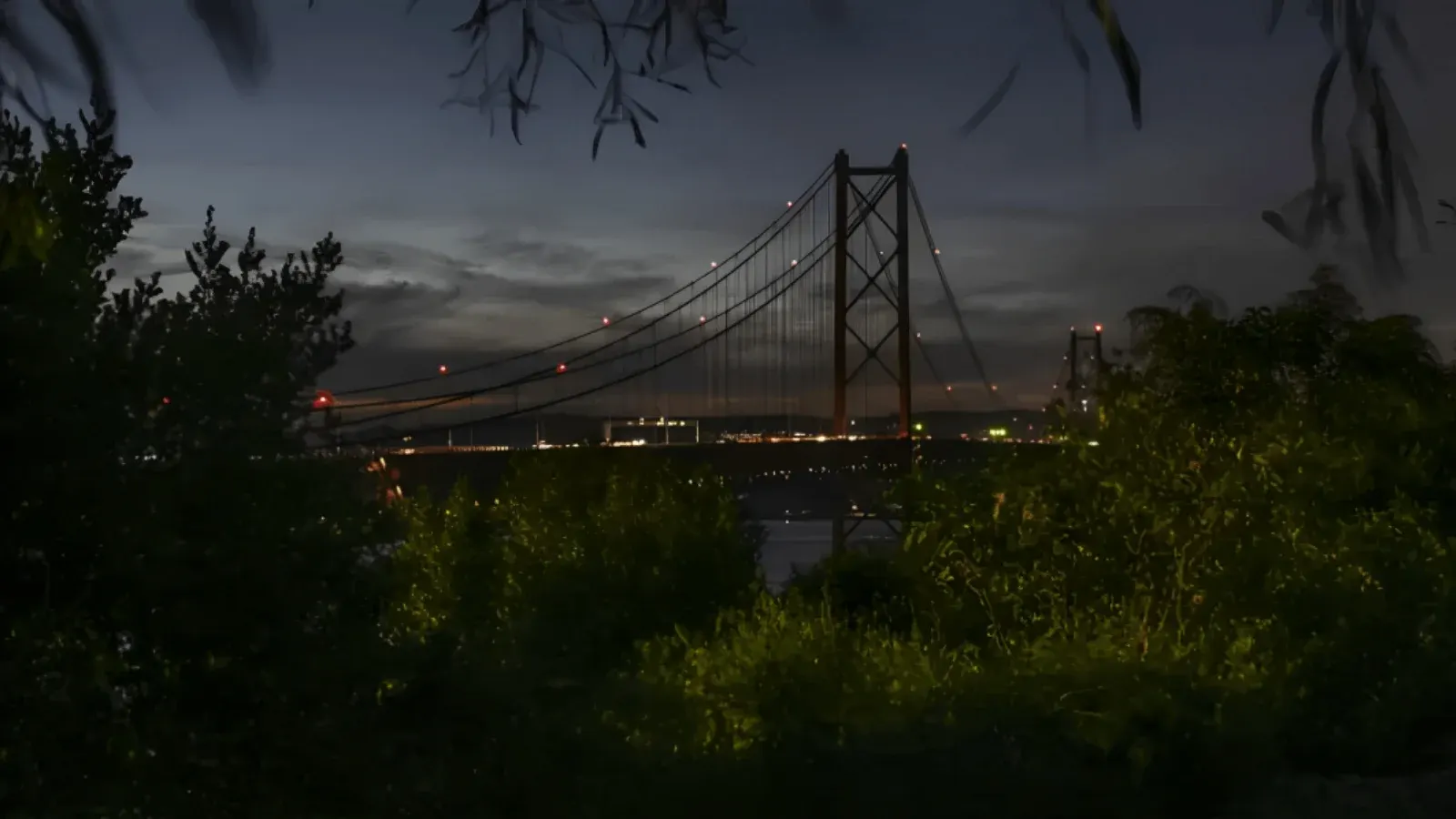
Without warning, the island was plunged into total darkness. More than 50,000 people were left without electricity: hospitals activated emergency procedures, the airport reduced operations, and schools and businesses stopped. The cause? A serious fault in a turbine at the Los Guinchos power plant, an asset with more than half a century of service, worsened by failures in the emergency generators.
It was the third zero-energy event in two years. The conclusion is the same: when energy depends on a single vulnerable point, the result is a blackout.
April had already sent a warning, and few wanted to listen
What happened in La Palma echoes the Iberian blackout of 28 April 2025.
Around 15 GW disappeared from the grid in 5 seconds, in a domino effect that affected Portugal, Spain and south-western France. It was the largest European blackout in more than 20 years and exposed, without filters, an energy transition that invests in generation while underestimating resilience.
What these blackouts have in common
Both events reveal known and avoidable weaknesses:
- Ageing or overloaded infrastructure
- Insufficient redundancy and ineffective contingency plans
- Limited interconnections with Europe, around 2%, far from the 15% target
- Synthetic inertia and frequency regulation services below what is needed
- Poorly sized or poorly maintained backup systems
The result is immediate: homes, businesses and services stop in an instant, with relevant economic costs. In Portugal, activity was estimated to have fallen by close to 15% on the day of the Iberian blackout.
The answer exists and is within reach
At Enbiente, we turn every warning into concrete action. Resilience is built before the next failure.
1. Self-consumption with batteries, full backup and black-start
Solar panels with intelligent storage make it possible to keep an installation active even without the grid.
The solution can include automatic switching in milliseconds, island-mode operation and prioritisation of essential loads.
2. Advanced energy management, EMS
Automation makes it possible to disconnect non-critical loads, prioritise essential consumption and balance production and storage in real time.
The result is simple: less waste, more control and greater response capacity during failures.
3. Microgrids for companies and condominiums
Clusters with hybrid inverters, batteries, electric vehicle charging and, when appropriate, thermal backup.
In practice, it is your own grid within the grid.
4. Contingency plans and resilience audits
Preparation requires risk assessment, clear failure procedures, periodic testing and support SLAs to ensure operational continuity.
What full backup means in practice
- Partial backup: only critical circuits, such as lighting or refrigeration.
- Full backup: the entire installation can remain operational, including IT, servers, climate control, pumps, industrial processes or electric vehicle chargers, depending on the engineering design.
We work with trusted brands such as Fronius, Enphase, SMA, Victron, FAAM and WeCo, and apply precision engineering to ensure:
- Instant switching to backup mode
- Autonomy planned according to the load profile
- Optimisation of self-consumption and battery lifespan
- Intelligent flow management and power limitation
- Monitoring and maintenance with metrics and alerts
Do not wait for the next blackout to act
We do not sell fear. We deliver autonomy, continuity and control.
Blackouts are a reality in 2025, and pressure on the grid will increase with electrification.
Investing today in batteries, energy management and microgrids is more than sensible. It is an operational and financial safeguard for your home or business.
The energy transition needs courage and preparation
The right technology, strategy and rigorous execution. That is how energy resilience is built.
Talk to Enbiente today and reach the next event prepared, not exposed.